


Ingredients
For the Marinade
- 2 chicken breasts cut into bite-sized pieces
- 2 tbsp chicken bouillon powder
For the Dredge (Batter)
- ¾ cup all-purpose flour
- ¼ cup cornstarch
- ¼ tsp baking soda
- 1 egg
- 1 cup sparkling water ice cold, a club soda or seltzer works great here
- frying oil
Instructions
Heat the Oil
- In a wok or deep pot, add frying oil. I find that I use about a 1/2 gallon of frying oil in my wok. Just add enough frying oil so that the chicken wont touch the bottom of the pan when added.frying oil
- Turn on the heat to about medium. We are looking for a temperature between 315℉-335℉. Check the temperate of the oil with a thermometer. I like to use an infrared thermometer. If you don't have one, these are the thermometers I recommend.
Marinate the Chicken
- Place the bite-sized chicken pieces in a medium bowl.2 chicken breasts

- Add the chicken bouillon powder and a little soy sauce (optional) for extra flavor.2 tbsp chicken bouillon powder

- Toss gently to coat all the chicken pieces evenly.

- Let the chicken marinate in the refrigerator for at least 15–20 minutes. This helps to tenderize the meat and infuse flavor.
Prepare the Batter
- In a separate bowl, combine the all-purpose flour, cornstarch, and baking soda. Whisk until combined.¾ cup all-purpose flour, ¼ cup cornstarch, ¼ tsp baking soda
- In a glass, add ice cubes and sparkling water. Mix until the sparkling water is ice cold. If your water is already cold, you can skip this step.1 cup sparkling water
- Add egg and half of cold sparkling water to the dry ingredients. Use the whisk to hold back the ice cubes if you add the sparkling water to a glass with ice. Whisk until combined. It will be lumpy at this point.1 egg
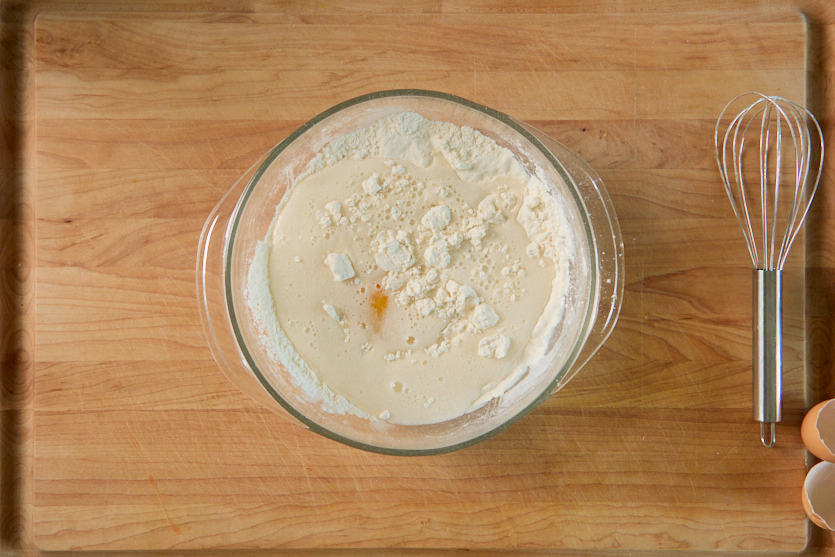
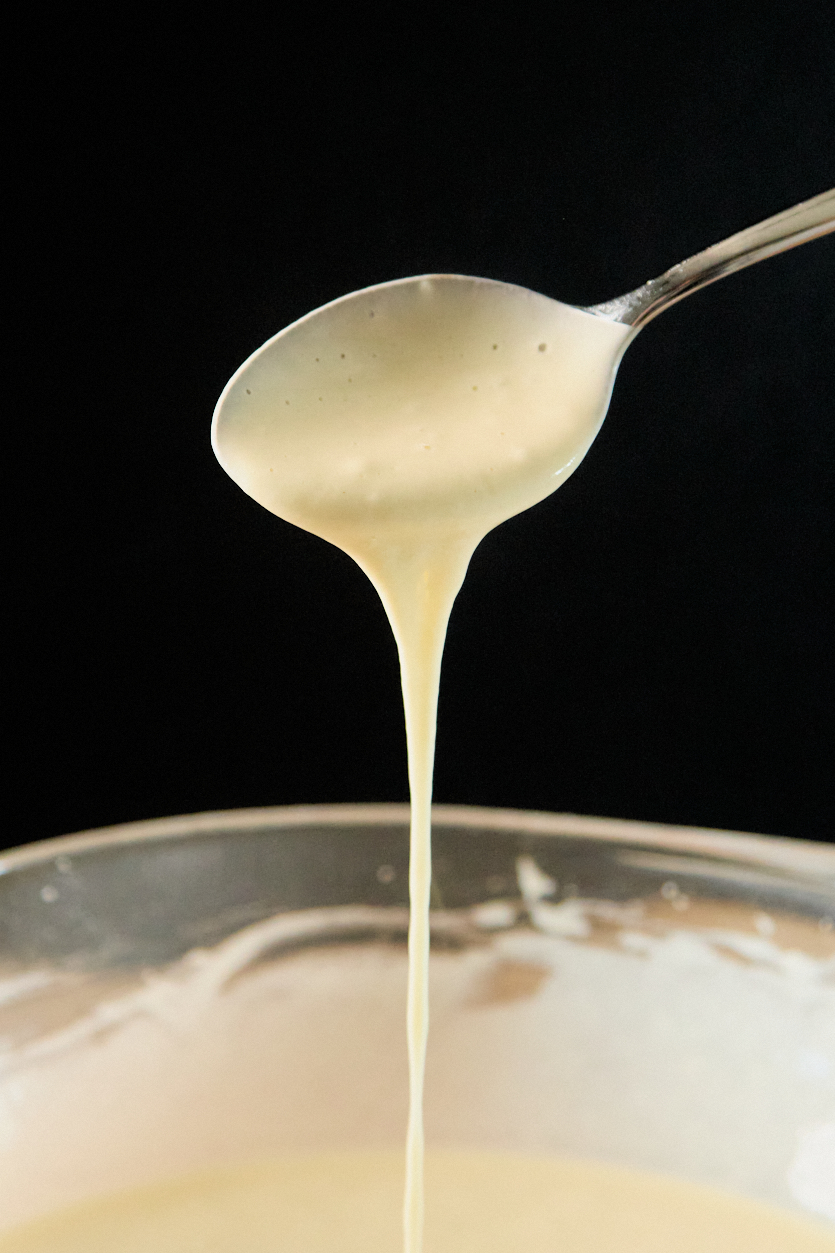
- Begin whisking again and slowly add the remaining cold sparkling water to the batter until it is the thickness is a little thinner than pancake batter and runs off the whisk about the thickness of a rat's tail. This usually takes most of the liquid but not all.
- Check the temperature of the frying oil to make sure it is between 315℉-335℉. If it's above, decrease the heat to low. If it's below, increase the heat to medium high.
Fry the Chicken
- Add 1/3 of the chicken pieces to the batter. Using a kitchen spoon, stir until coated.

- Use the spoon to scoop out each piece and place them in the hot frying oil.

- Fry the chicken for about 3–4 minutes per batch. Turn the pieces halfway through frying to ensure even browning and crispiness.
- Once the chicken is golden and the batter has become crisp, remove it from the oil and transfer to a wire rack or a plate lined with paper towels to drain any excess oil. Repeat until all chicken is fried.

Second Fry
- Crank up the heat and get the oil to 350℉-375℉.
- Flash fry in batches (45-60 seconds) until golden brown and crispy. Don't go longer than 90 seconds or the chicken will start to dry out.

Serve Immediately
- Enjoy your tempura chicken while it’s hot and crispy.
- Serve it as an appetizer or a main dish with your favorite dipping sauce, such as a spicy mayo, sweet chili sauce, or a light soy-based dip.
 What do you think of this recipe?Keep scrolling for the full recipe post. Please consider Leaving a Review!
Tempura Chicken That’ll Make You Skip the Takeout Line
Look, I’ll be honest – I used to be that person who thought making restaurant-quality tempura at home was some kind of dark culinary magic. Turns out, the only magic involved is club soda and not overthinking things. Who knew?
This tempura chicken recipe delivers that impossibly light, crispy coating you’d expect from your favorite Japanese restaurant, except you’re making it in your own kitchen wearing questionable sweatpants. The secret weapon? A double-fry technique that sounds fancy but is basically just dunking things in hot oil twice. I can handle that.

What Makes This Actually Taste Like Takeout
The real MVP here is the batter composition. We’re mixing cornstarch with all-purpose flour to create that delicate, shatteringly crisp texture. The cornstarch does something science-y that makes everything extra crunchy (I’m not a food scientist, I just follow instructions that work). Add a touch of baking soda for lift, and you’re already 80% of the way there.
But here’s where it gets interesting – that club soda or seltzer water. Those carbonation bubbles create tiny air pockets in the batter that puff up when they hit the hot oil, giving you that ethereally light coating instead of a dense, doughy mess. It’s like giving your chicken a crispy little cloud jacket.
The Chinese cooking wine in the marinade adds depth and helps tenderize the chicken, though if you don’t have it lying around, soy sauce works perfectly fine. We’re not running a Michelin-starred operation here – we’re trying to make dinner without changing out of our loungewear.
The Double-Fry Method (AKA Why Your Chicken Will Actually Be Crispy)
Here’s where this recipe separates itself from soggy disappointment: the two-stage frying process. The first fry at 350°F cooks the chicken through and sets the batter. Then you crank the heat up to 375°F for a quick flash fry that takes everything from “pretty good” to “why would I ever order takeout again?”
That second fry is only 45-60 seconds, but it’s crucial. It re-crisps anything that might have started to soften and gives you that golden-brown color that makes food look like it belongs on Instagram instead of eaten directly over the sink.
If you’re feeling ambitious and want to turn this into a full meal situation, pair it with some Japanese fried rice or try making chicken katsu next time – it uses a similar double-fry technique but with panko instead of tempura batter.
Getting the Batter Right (Or: Don’t Be a Hero)
The most important tip I can give you about the batter: keep it lumpy. I know every instinct in your body wants to whisk that thing smooth, but resist. Those lumps create texture and irregularity in the coating, which means more surface area for crispiness. A perfectly smooth batter gives you a perfectly boring coating.
The perfect thickness also matters. The best way to know you have the right thickness (not too thin, not too thick, just right, the Goldilocks way) is when you take a spoonful and let it run down and it is about the thickness of a rats tail.

Also, mix the batter right before you’re ready to fry. The carbonation doesn’t stick around forever, and you want those bubbles doing their work in the hot oil, not dissipating in your mixing bowl while you scroll through your phone.
What to Serve It With
Tempura chicken is wildly versatile. Serve it as an appetizer with some spicy mayo for dipping (just mix mayo with sriracha – we’re keeping things simple). Or make it the star of dinner alongside steamed rice and stir-fried vegetables.
It also makes an excellent chicken tender alternative if you’ve got picky eaters who think they don’t like “fancy” food. The coating is so light and crispy that even the most suspicious kid will probably give it a shot.
For dipping sauces, the world is your oyster. Sweet and sour chicken brings a tangy-sweet kick, a simple soy-based dip keeps things traditional, or you could go rogue with some orange chicken, lemon chicken or a honey garlic sauce if you’re feeling saucy (pun absolutely intended).
The Temperature Thing Matters
I’m going to sound like a broken record here, but use a thermometer. Getting the oil to exactly 350°F and then 375°F actually matters. Too cool and your chicken absorbs oil like a sponge, becoming greasy and heavy. Too hot and the outside burns before the inside cooks through.
If you don’t have a thermometer, the batter-drop test works: drop a bit of batter into the oil, and if it sizzles immediately and floats to the surface, you’re good to go. If it just sinks sadly to the bottom, keep waiting.
Make It a Full Japanese-Inspired Feast
Want to go all out? This tempura chicken pairs beautifully with other Japanese favorites. Start with some miso soup, add a side of edamame, and maybe throw together some sesame cucumber salad for freshness. Suddenly, you’ve got a whole spread that looks like you actually planned it.
Or keep it simple – sometimes the best meals are just ridiculously crispy chicken and a bowl of rice. No judgment either way.
The best part about making this at home? You can fry up exactly as much as you want without paying for expensive takeout portions. Plus, eating tempura chicken straight from your own fryer while it’s still crackling hot is a small joy that delivery just can’t replicate. Even if you do drop a piece on the floor and employ the five-second rule (just me?).