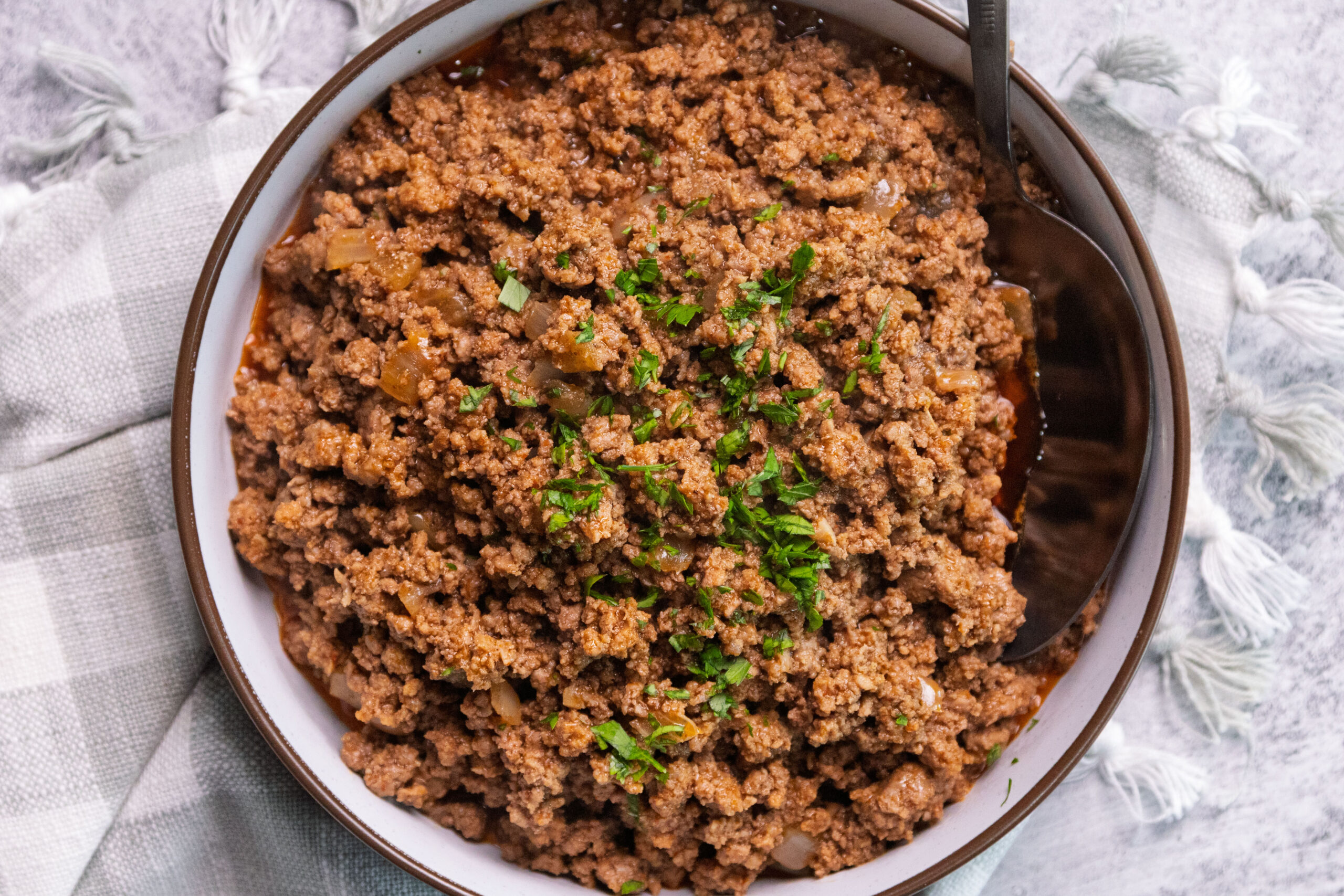
Ingredients
- 1 lb ground beef
- 2 ½ tbsp homemade taco seasoning
- 2 tbsp beef base my favorite is Better Than Bouillon
- 1 cup water
Instructions
- Put your skillet over medium-high heat and let it sit. When you can hold your hand a few inches above the surface and feel a wave of heat radiating off it, you're ready. If you drop a tiny piece of beef in and it doesn't immediately hiss at you like a threatened cat, wait another minute.
- Place the block of beef in the hot pan and press it down slightly with your spatula to maximize contact. Now, walk away. Don't touch it for at least three minutes. You want the bottom to develop a dark, crispy, brown crust. Once that's achieved, flip it over in large chunks. Only after both sides have a good sear should you start breaking it up into smaller pieces. This gives you a mix of textures: soft and juicy bits next to crunchy, flavorful nuggets.
- If you used 80/20 beef, you probably have a fair amount of fat. You don't want your tacos to be an oil slick, but you also don't want to strip away all the flavor. The pro move is to drain most of it, leaving about a tablespoon or two in the pan. This remaining fat is what we're going to use to "toast" our spices in the next step. If you drain it completely, your spices will just sit on the meat like dust.
Patience is a virtue, especially in taco making. Don't you dare drop that beef into a cold pan. If you do, the meat will slowly release its moisture, and instead of searing, it will sit there and poach in its own gray juices. It's a tragedy.
Here is the biggest mistake home cooks make. They start moving the meat the second it hits the pan. If you want that deep, caramelized flavor, the stuff they call the Maillard reaction, you have to leave it alone.
Blooming Your Spices for Extra Punch
- Push your meat to the sides of the pan, creating a little clearing in the center. Dump your chili powder, cumin, and paprika into that hot spot. Let them sit in the hot fat for about 30 to 60 seconds. You'll start to smell them. It'll be intense and wonderful. This is called "blooming." Hot fat + dry spice = the heat wakes up the essential oils and makes them much more potent than if you just stirred them into a liquid.
- Now, pour in your beef broth. The pan will hiss and steam, which is exactly what you want. Use your spoon to scrape up any brown bits stuck to the bottom of the pan. That's "fond," and it's concentrated flavor.
- Turn the heat down to low. This is the "low and slow" phase. You want the liquid to reduce until it forms a thick, glossy sauce that clings to every single piece of beef. It shouldn't be watery, but it shouldn't be bone-dry either. Think of it like a velvet coat for your meat. This usually takes about 5 to 10 minutes of gentle bubbling.
- Taste it. Does it need more salt? Probably. But before you reach for the salt shaker, reach for a lime. A squeeze of fresh lime juice at the very end provides "acid," which cuts through the richness of the fat and makes the spices pop. It's the difference between a "good" taco and a "wow" taco. If it still feels like it's missing a little "oomph," a pinch of salt will finish the job.
The Importance of Toasting Your AromaticsWhile your spices are blooming, this is the time to add your garlic and onion powders. If you're using fresh aromatics, like finely minced onions or jalapeños, you should have added those right after browning the meat so they had time to soften. Toasting everything together for a minute ensures that there are no "raw" spice flavors lingering in your finished taco meat. Everything should be integrated, aromatic, and slightly darkened.
Rate this Recipe
 What do you think of this recipe?Keep scrolling for the full recipe post. Please consider Leaving a Review!
What do you think of this recipe?Keep scrolling for the full recipe post. Please consider Leaving a Review!